Everything you read on this site is researched and put together by real people.
This site earns a commission when you sign up through certain links, at no cost to you. Commission never determines placement or ranking — see our Affiliate Disclaimer for the full picture. Gamble responsibly.
People often get dopamine wrong. It is not just the “pleasure chemical.” It plays a bigger role in learning, motivation, and reward. How dopamine is released is just as important as how much of it is released. This is where casinos and nature are on opposite ends of the spectrum.
Dopamine is released in both settings. But they do it in very different ways. One depends on speed, uncertainty, and quick feedback. The other one works slowly, using rhythm, safety, and small rewards over time. This difference helps explain why some places feel addictive, and others feel stable.
How Dopamine Actually Works
Dopamine and anticipation are extremely strongly related. It rises when the brain thinks about a prize, not just when the reward shows up. This approach helps people remember patterns and accomplish pleasurable or beneficial tasks again and again.
Problems can occur if dopamine levels rise too quickly or too often. When you get rewards rapidly and without warning, your brain learns to hunt for stimuli. Quick and random rewards condition the brain to pursue stimulation. Meanwhile, slower, more consistent rewards help people be patient and avoid emotional imbalance.
These systems work in different ways when you go to a casino or spend time in nature.
Casinos and Fast Dopamine Loops
The design of casinos is based on speed and uncertainty. Such an environment generates a rapid spike of dopamine. The brain will become preoccupied with what is going to occur. The incentive does not necessarily have to be big. The mere anticipation is sufficient to activate dopamine.
This pattern teaches the brain to always look for new things to do. It feels boring when things are calm. Being patient is hard. People often say that casino-style design is too stimulating because it keeps the reward system going.
Nature and Slow Dopamine Release
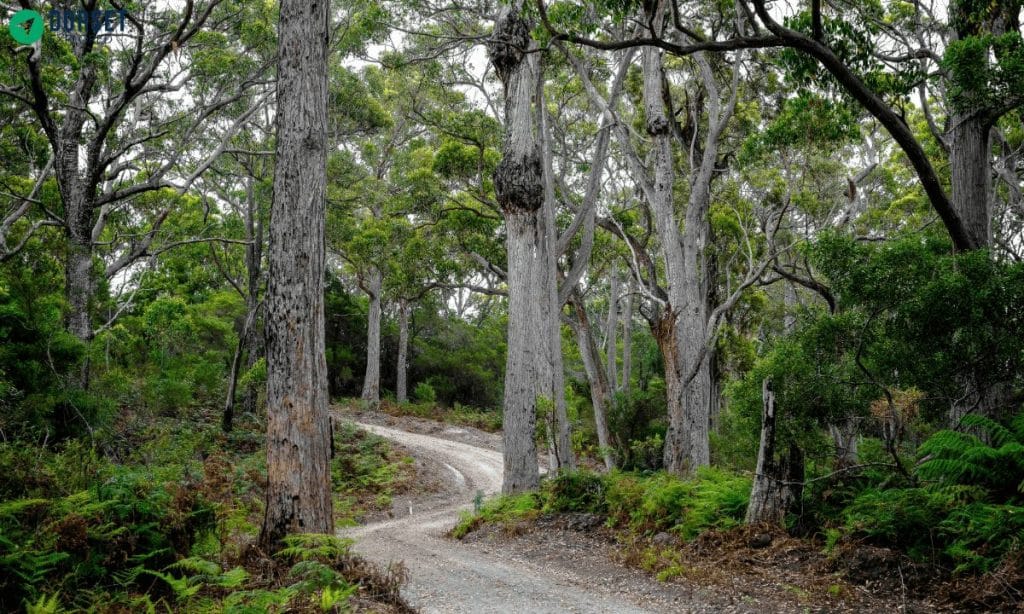
Things in nature work differently. There are no flashing lights or quick results. Rewards are not obvious. A view becomes clear. A path flattens out. There are birds. Light moves through the trees.
Dopamine is still involved, but it goes up slowly. The brain is reacting to safety, pattern, and gradual progress. Such a dopamine response helps in relaxed concentration. It doesn’t make the brain want to chase the next moment. Instead, it lets satisfaction settle down.
People usually say this is a feeling of being clear-headed. The language indicates a nervous system no longer tugged along by continual signals of reward.
Control Versus Surrender
Another important difference is control. The atmosphere in casinos makes people give in to the system. The player can’t control what happens. This uncertainty keeps dopamine levels high.
But nature gives people back their sense of control. You set the pace. You pick the way to go. Chance doesn’t help you move forward; movement and attention do.
This feeling of control keeps dopamine levels steady. The brain feels safe. Motivation is no longer urgent; it is steady. That is why, in nature, time tends to make one less anxious rather than more.
Sensory Load Matters
There are too many sights and sounds in casinos. There are bright lights, sounds that blend together, and things that are always moving that want your attention. This sensory pressure raises dopamine levels and keeps the brain awake.
Nature does the opposite. The sounds are quieter. Patterns in pictures repeat. The input provided through the senses is abundant but not overwhelming. This enables the brain to function without stress.
A lower sensory load means that you don’t need as many big dopamine spikes. The brain finds a more balanced state.
Short-Term Reward Versus Long-Term Balance
The focus of casinos is on short-term rewards. The system promotes repetition of play even when the results are unfavorable. The mind remains concentrated on the present.
Nature is a reward of prolonged interaction. This is due to an increase in benefits with time. Mood improves gradually. Focus returns slowly. There is no pressure to continue searching.
This difference affects how people act. Quick dopamine loops make people more likely to make snap decisions. Slow dopamine systems help with self-control and reflection.
Why Some People Feel Drawn to Both
People often like both casinos and nature. They all help, but in different ways.
Casinos provide an escape through stimulation. Nature gives us relief by keeping things in check. One keeps the mind busy. The other one fixes it.
When fast dopamine becomes the main way to deal with problems, things go wrong. The brain changes over time. Rewards that come slowly lose their power. Calm feels like nothing. That is when individuals tend to be agitated or unhappy in high-stimulation situations.
Reintroducing slow dopamine rebalances helps the system rebalance.
What This Means for Everyday Choices
People change how they spend their free time after learning about dopamine systems. It tells you why some activities make you feel tired even though they seem fun. It also explains why doing things slowly makes you feel better.
This doesn’t mean you should never go to casinos or play games of chance. Engaging with the system every now and then does not make it work on its own. Balance is important.
But when fast dopamine takes over, the nervous system has a hard time calming down. Adding activities that involve nature helps restore balance.
The Body Follows the Brain
Dopamine affects the body as well as the mind. Fast spikes make things more tense. It goes down when it is released slowly. This is why people often feel calmer after spending time outside.
The heart rate stays steady. Breathing gets slower. Muscles relax. These changes in the body help keep the mind in balance.
In casinos, it’s usually the other way around. Awareness rises. Tension rises. People can feel wired instead of rested even after short sessions.
Why Opposites Matter
Dopamine levels are at their highest in casinos and at their lowest in nature. One speeds up. The other one keeps things in order.
There is no such thing as an isolated system. People need both excitement and peace. The issue emerges when one entity prevails over the other.
Nature balances things out. It tells the brain that rewards don’t have to be time-sensitive or unknown. Contentment can be silent. Motivation can be steady.
A Useful Contrast in a Fast World
In a world that values speed, it is helpful to know about slow dopamine. That lesson comes from nature.
Casinos are a good example of how effective quick reward systems can be. Nature demonstrates the sense of stability when such systems are silent.
Knowing the difference will help people make better choices about how to spend their time and energy. Dopamine will always react to what is going on around it. It depends on whether the right one is selected.
